VERIFY GEN AI RATIONALE
INTRODUCTION
There's lots of news at the moment around all kinds of vibe-coding platforms going belly-up. When you suggest the rightful role of human beings is fire officer, to pick up on the tragedy and sort it all after the event, and not of those sorts of humans (which, by the by, can also be precaution-advising fire officers) who know how to prevent these firestorms in the first place, you get — surely you do — what you get.
And so we do. It's a tragedy of Greek proportions because utterly visible and wilfully ignored all these decades by the people who rule most of tech without knowledge of good principles of the same.
AN ALTERNATIVE TO A GREEK TRAGEDY OF GENERATIVE AI PROPORTIONS
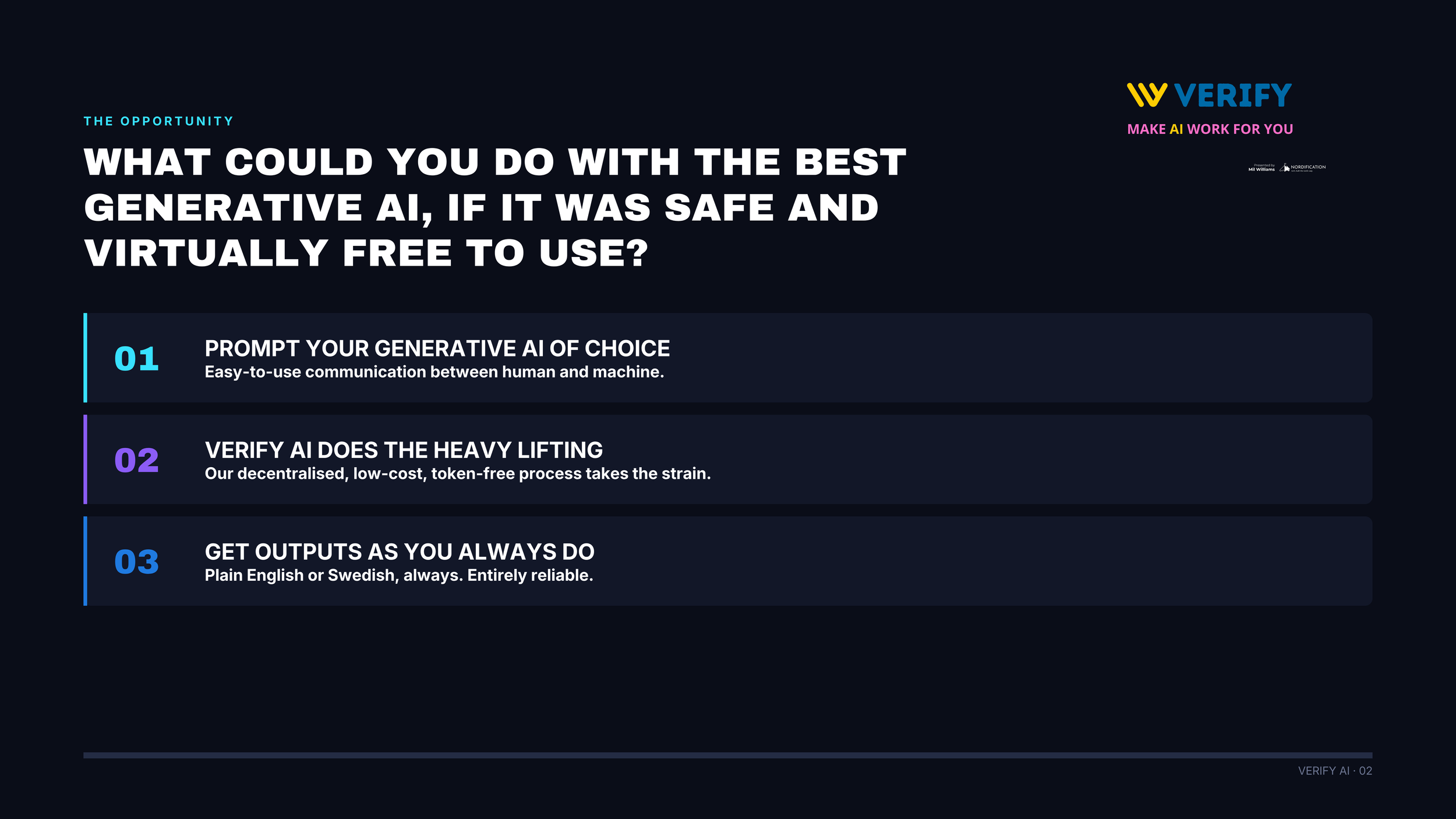
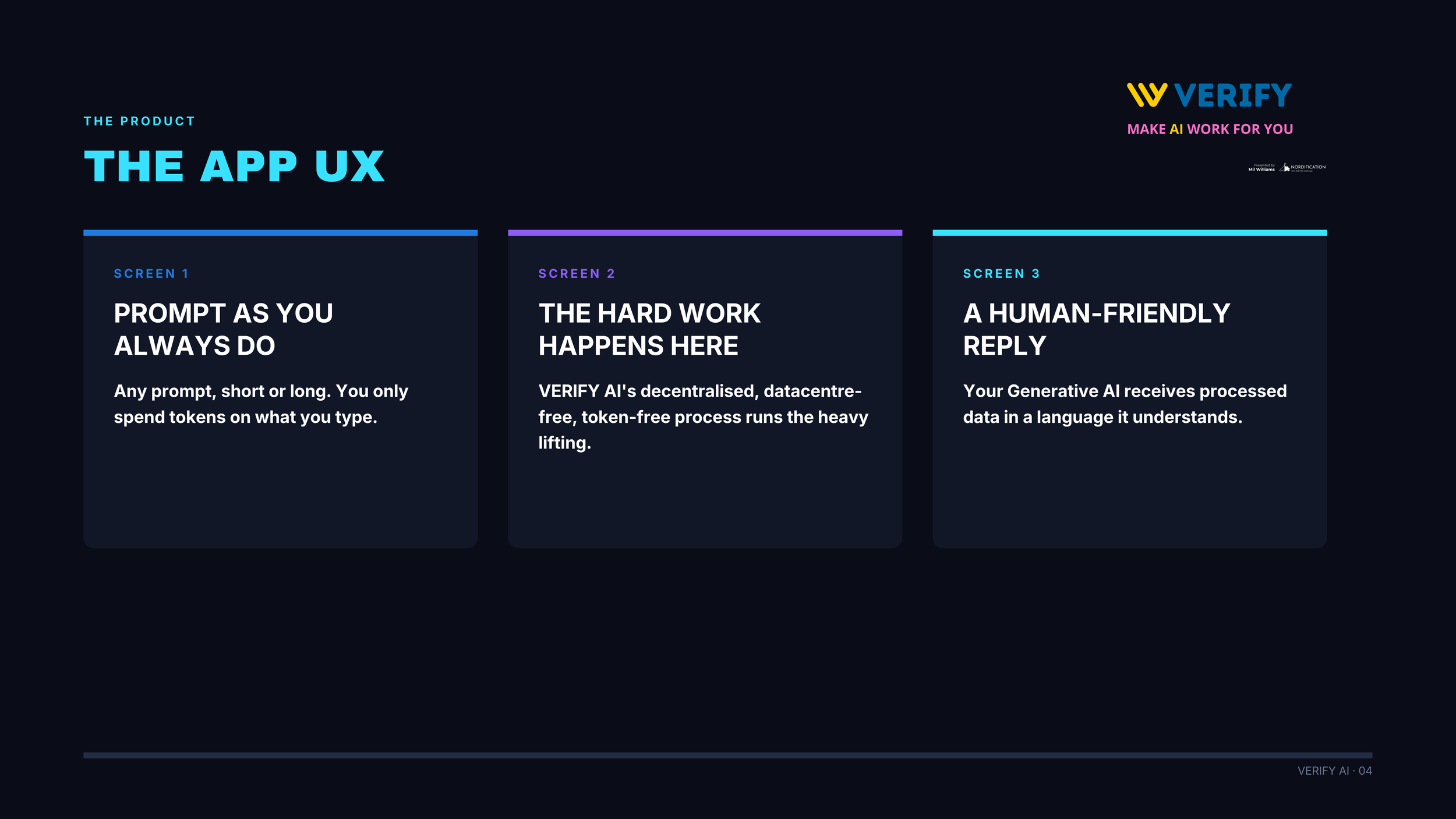
I'd like to suggest the following: I want us to focus on saving, not ditching. What's generative AI good at? Interfacing humans with machines on input and then machines to humans on output.
What is it bad at; really bad I mean? These adjectives sum it up perfectly: unreliable, unrepeatable, inaccurate, unpredictable — and dare I say, lately as costly as it gets.
That's bad, and no one in tech should've thought in any sane sense that looking good equals doing good.
No?
I'd like us to do more, much more: but, as I said, saving not ditching.
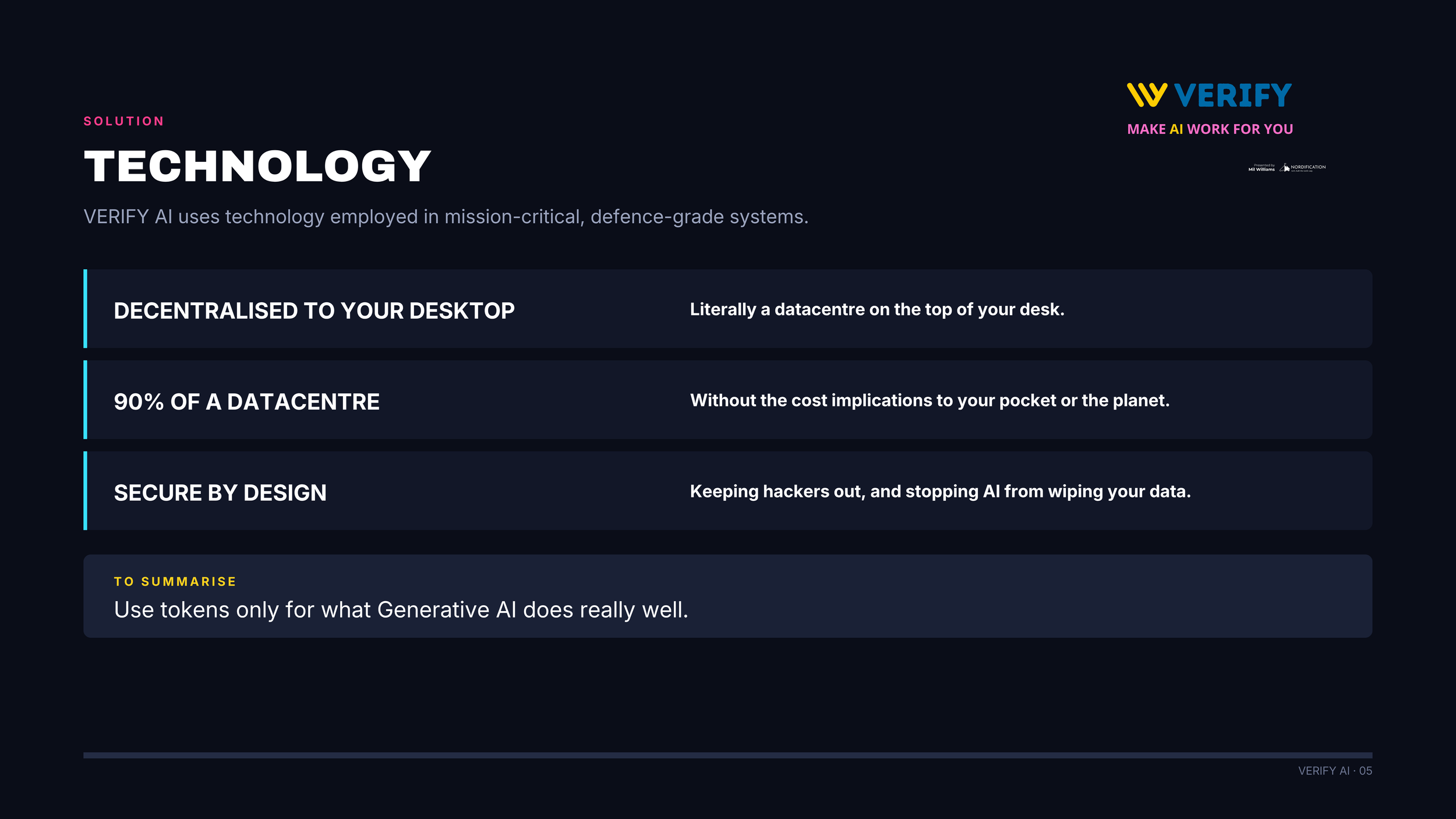
Let's make it possible for LLMs to continue to do the before and after of the process flow. But the middle bit, what I call the "heavy lifting", will be done elsewhere: on a decentralised datacentre sitting on your desktop — that is, on the top of your desk. A limited, highly limited, instruction set which fires up the speed of everything this datacentre can deliver on; but not only that, with accuracy, reliability, repeatability, predictably, and — what's so beautiful about this technology — an incorruptibility re the datasets that are used.
THE COST OF PROVING WHAT WE SAY
And costly? Well. Anything but.
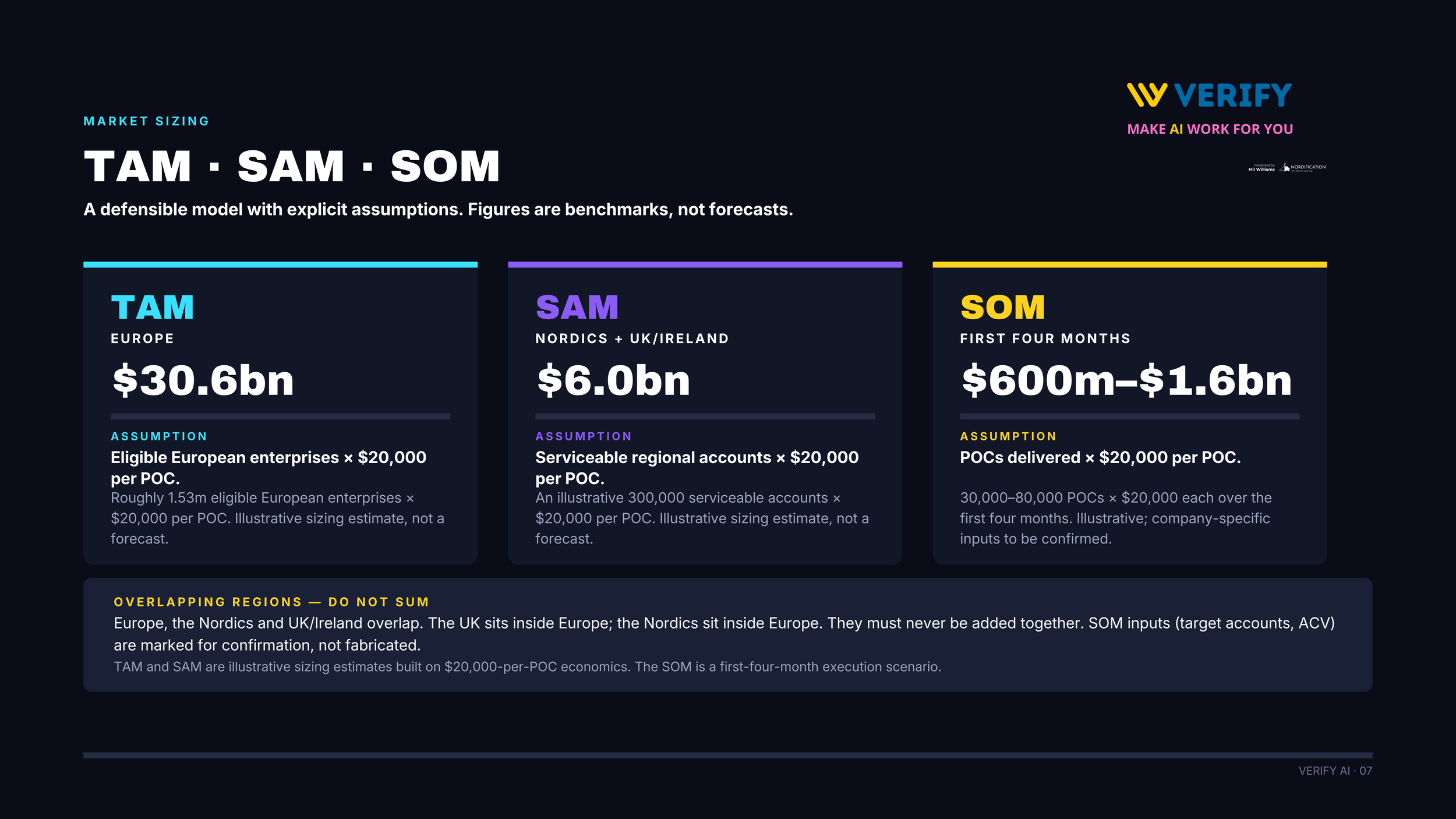
To try? A $20,000 POC, installed remotely, no one needed onsite unless you'd like to see us first. We just need a username and password onto any infrastructure you have in the backroom. Something the size of a Mac mini. And then, we assert yes, we blow your mind. But sensibly.
A vide-coding sandwich: yes, this indeed.
Vibe to input; our tech to process and do the heavy lifting — the beef, if you like, of the sandwich; and then vibe to communicate the outcomes as brilliantly as vibe clearly achieved and delivered on the past few years or so.
What do we think? Do we turn the generative AI and vibe-coding industry upside down to break it or to save and remake it?
Which would YOU prefer to happen right now?
VERIFY GEN AI PITCH-DECK



find out more